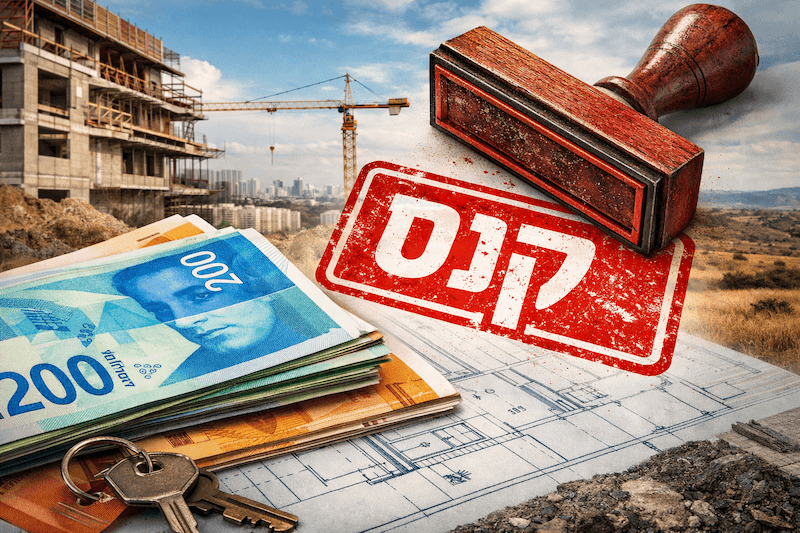
Partition In Real Estate Forcing Sale Guide


What is the dissolution of sharing in real estate?
Shared ownership of a real estate property sometimes sounds like a simple and convenient solution, especially when it comes to family members, business partners, heirs, or ex-partners. But in reality, it is very quickly that difficult questions arise: who uses the property, who is entitled to rent, who carries expenses, whether it is possible to sell, and what happens when one of the partners wants to move forward and the other refuses.
In such situations, the legal process called dissolution of sharing comes into play. This is a mechanism designed to end a situation in which some people hold together the property and fail to reach an agreement on how to manage it.
When does the need for sharing break-up come up?
This situation is more common than it seems. It exists between siblings who inherited an apartment together and do not agree whether to sell or rent, between partners who held a plot together and the relationship between them fell apart, between spouses after separation, and also between family members who entered together into a joint investment without pre-determined clear exit mechanism.
As long as the relationship is good everything seems to be soluble, but once a dispute begins, the property itself sometimes becomes a stalemate that makes it difficult for all parties to move forward.
Can one partner force a dissolution of a partnership?
In many cases, the answer is yes. Israeli law recognizes the right of a partner not to remain bound to a shared property forever. Therefore, a partner can file a claim for dissolution of a partnership even if the other partners do not agree.
However, the manner of the liquidation varies from case to case. Sometimes it is possible to make a physical division of the land, and sometimes the solution is the sale of the entire property and the distribution of the proceeds between the partners.
What does forced selling mean?
When the property is not divided, the court may order its sale. This means that even if one of the partners is not interested in selling, the legal process can lead to the sale of the property and the distribution of the proceeds.
In such cases, it is important to carefully examine the options: whether the share of another partner can be purchased, whether there is a mechanism in a sharing agreement, and whether there are additional obligations or rights that need to be taken into account.
For those who want to better understand the tests that are important to perform before any real estate transaction, it is recommended to read the guide on the subject as well.Preliminary Tests in a Real Estate Deal
Summary
Dissolution of land sharing is a significant legal process that allows partners to be released from joint ownership when there is no agreement on how to manage the property. In many cases the process leads to the sale of the property, so it is important to understand the rights, options and consequences well before starting such a move.
When negotiations between the partners have exhausted themselves, it is worth examiningLegal support in the process of liquidating sharing in real estateSometimes the very fact of the orderly turn leads to agreement even before a full procedure is opened.
When the partnership was inherited, additional emphasis was placed see the Focused GuideIs it possible to force a dissolution of a share in an inherited apartment, including the question of timing in front of the Succession Order and the registration of rights.