Planning and Building Law: A Guide for Property Owners


Introduction The field of planning and construction in Israel is one of the most complex and dynamic legal areas. Laws, regulations and rulings are updated frequently, requiring property owners, entrepreneurs and contractors to understand the legal aspects in order to avoid fines, delays and even demolition orders. An in-depth understanding of planning and construction law enables to manage projects smoothly and realize the full potential of assets and projects.
What are planning and building laws? Planning and building laws are a set of laws and regulations that regulate the way the land is used and construction of buildings in Israel. The purpose of the laws is to ensure quality, safe and proper environmental and social planning. The field is regulated by the Planning and Building Law, 5725-1965, which defines the powers of local authorities, district committees and state planning and construction.
Key stages in planning and construction
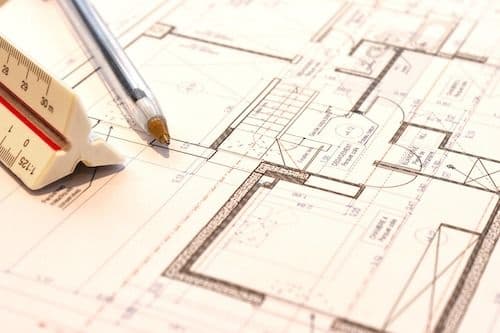
- Planning of the zoning plan (city building plan) – The first stage of the project is the preparation of a city building plan, which defines the designation of the land, the density of the construction and the height of the buildings. This plan requires the approval of the local or provincial committee.
- Building Permits – Any new construction, addition or designation changes require obtaining a building permit. This permit constitutes an official approval for the project to be carried out.
- Control phase – During construction, supervision is carried out by professional officials and planning authorities to ensure that construction is carried out in accordance with the permit.
- Constituency approval (Form 4) – Upon completion of construction, it is necessary to obtain a occupancy permit confirming that the building is suitable for use and accommodation.
Key Legal Challenges
Construction without a permit – One of the significant challenges is construction without a permit, which can result in heavy fines and even demolition orders.
Nonconforming use – When using an asset that does not match its designation according to the zoning plan, approval for nonconforming use is required.
Value Reduction Claims – Tenants may file claims for property value reduction following development plans in their area.
Economic aspects and planning advantagesProjects of planning and construction, when done correctly, produce great economic value:
Property improvement – Increasing building rights and improving land increases the value of assets and generates additional revenue.
Environmental development – Proper planning and construction contribute to improving the quality of life in the area and encouraging additional investments.
Contribution to the community – Large planning projects include allocating land for public needs, which contributes to the well-being of residents.
How can Attorney Karin Amsalem’s firm help? Attorney Karin Amsalem’s firm specializes in accompanying projects in the field of planning and construction, and provides services that include:
Accompanying the submission of city building plans (zoning plan).
Representation in front of planning and building committees.
Addressing objections of residents and authorities.
Managing legal proceedings in administrative courts.
A summary of planning and building law is a complex field requiring a great deal of knowledge and experience. Attorney Karin Amsalem’s firm provides professional legal guidance to all stages of the project, from the planning stage to receiving a permit and occupancy. If you are facing a planning and construction project, the firm's staff is at your disposal and provides customized legal advice and guidance to reduce risk and advance the project according to its circumstances.