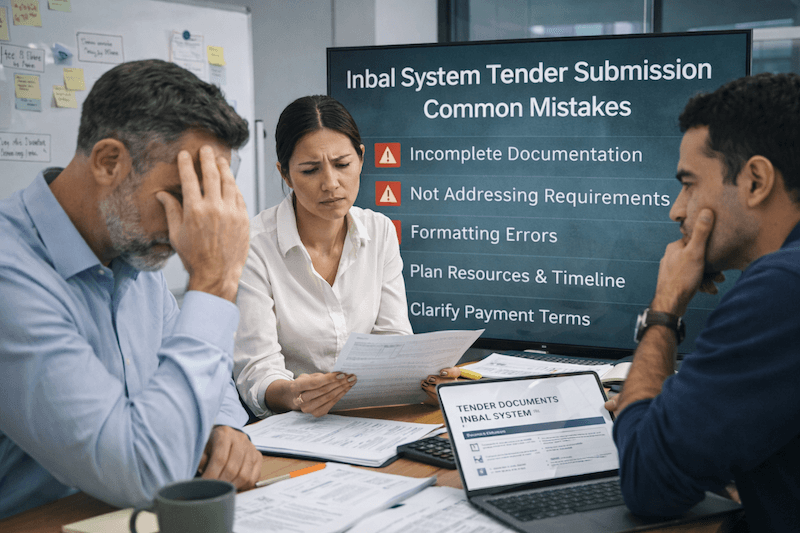
Not every bidding problem requires getting into a debate, but there are many situations where it is worth asking clarification questions, pointing out contradictions, asking for a correction, or submitting an achievability on time.
When the terms of the tender are unclear, discriminatory, contradicts another document or creates an unusual commercial risk, correct wording of an early application can change the entire course of submission.
When is it best to act
- When there is a conflict between the proposal form, the agreement and the appendices.
- When threshold conditions or contract conditions appear unlikely or discriminatory.
- Where there is no clarity about how to serve, professional responsibility or calculation of the consideration.
- When the clarification answers themselves create a new risk or additional ambiguity.
What does the legal service include??
- Legal reading of the tender documents and locating risk centers.
- Defining sharp, non-general clarification questions
- Addressing attainments and preparing for a course of assault or standing up for rights, if necessary.
- Adjusting the submission strategy after receiving the clarification answers.
The common mistake is to remain silent in the clarification stage and then find out after the win, or after the disqualification, that the risk has already become fact.