Section 197 Property Value Claim How To Prove

Article 197: The injury does not have to be on the skid itself to be worth checking out
Many property owners only discover the damage to the property's value when it is late: a new plan has been approved, dense construction has been permitted nearby, a new traffic route has been opened, the landscape has been blocked or the area has changed its character. This is not always an expropriation, but it is certainly possible that it is an injury that merits examination of a claim under section 197 of the Planning and Building Act.
A claim under section 197 is intended for situations in which an abusive plan causes a decrease in the value of land. The injury can be direct or indirect, and it does not have to occur only on the land itself. Sometimes it is enough that the plan was started on a nearby plot to financially damage the property.
Which injuries are worth checking
- Damage to privacy, landscape, light, or quality of life.
- Increasing abnormal density or high construction in close proximity to the property.
- Infrastructure, road, terminal, or permanent noise affecting the environment.
- Reducing planning potential, violation of building rights or altering the nature of the area.
Proof of value decline: not just a feeling, but a visual pathway
In order to establish a claim in section 197, a clear connection between the approved plan and the value decline must be shown. This requires an examination of the plan, the prior planning situation, the property characteristics and the effect of the change on the value. In most cases, an orderly appraisal analysis is also required, but without a proper legal framework a good opinion may also be insufficient.
When is the right time to act in the resistance phase?
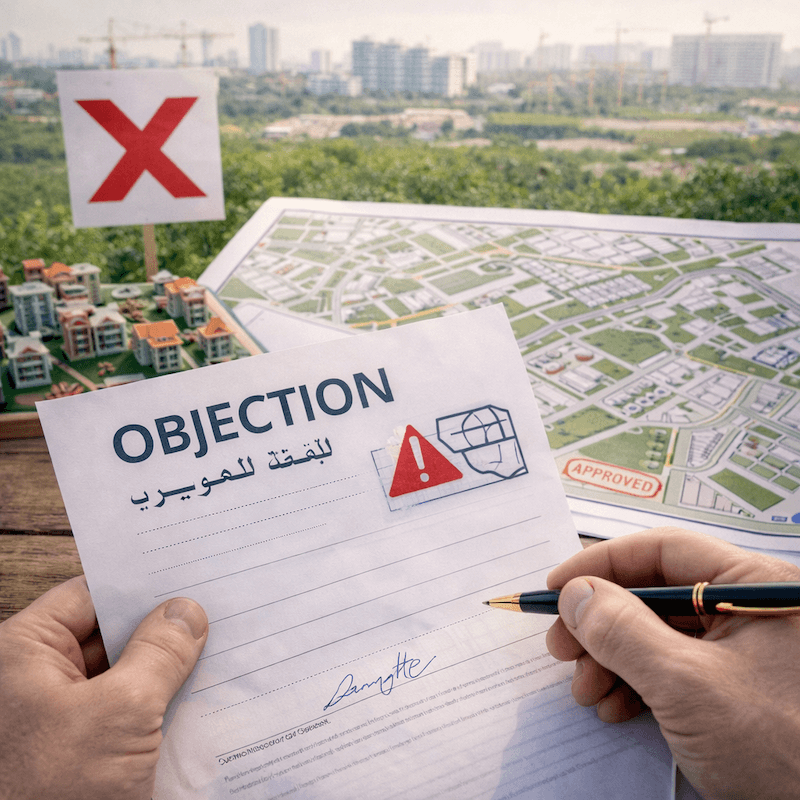
If the plan has not yet been approved, it is sometimes best to act first on a course of resistance, to reduce the pre-injury. Therefore it is important to understand also the rules of theSubmitting objections to a building plan or zoning planIf the plan has already been approved, the compensation track should be reviewed.
The relationship between Article 197 and Expiration
There are cases where the same program both damages the value and promotes further expropriation. In such situations it is wrong to think only in one track. You should also check at the same timeExpiration compensation, to understand the totality of rights and remedies.
Mistakes that weaken the prosecution
- Wait a long time to check the rights.
- To be based on a general sense of harm without an analysis of the program's instructions.
- Confusion between value decline and useful harm that does not stem from the program itself.
- Submit appraiser material without building a clear legal line around the cause of the injury.
What to check before starting
We need to review the program documents, understand what has changed compared to the previous situation, gather essays and rights documents, examine whether objections have been filed and check the relevant time window. At this stage, it is possible to build an orderly infrastructure that will determine whether this is a real, compensatory injury.
For a broader examination of the status of rights, planning and risks in the property, the article can also be usedReal Estate Due Diligence Guide.